
Jon Spells It Out for Us
Let’s head to the end of each chapter.

Maybe if we put it all together, Jon spells it out for us. Let’s head to the end of each chapter.
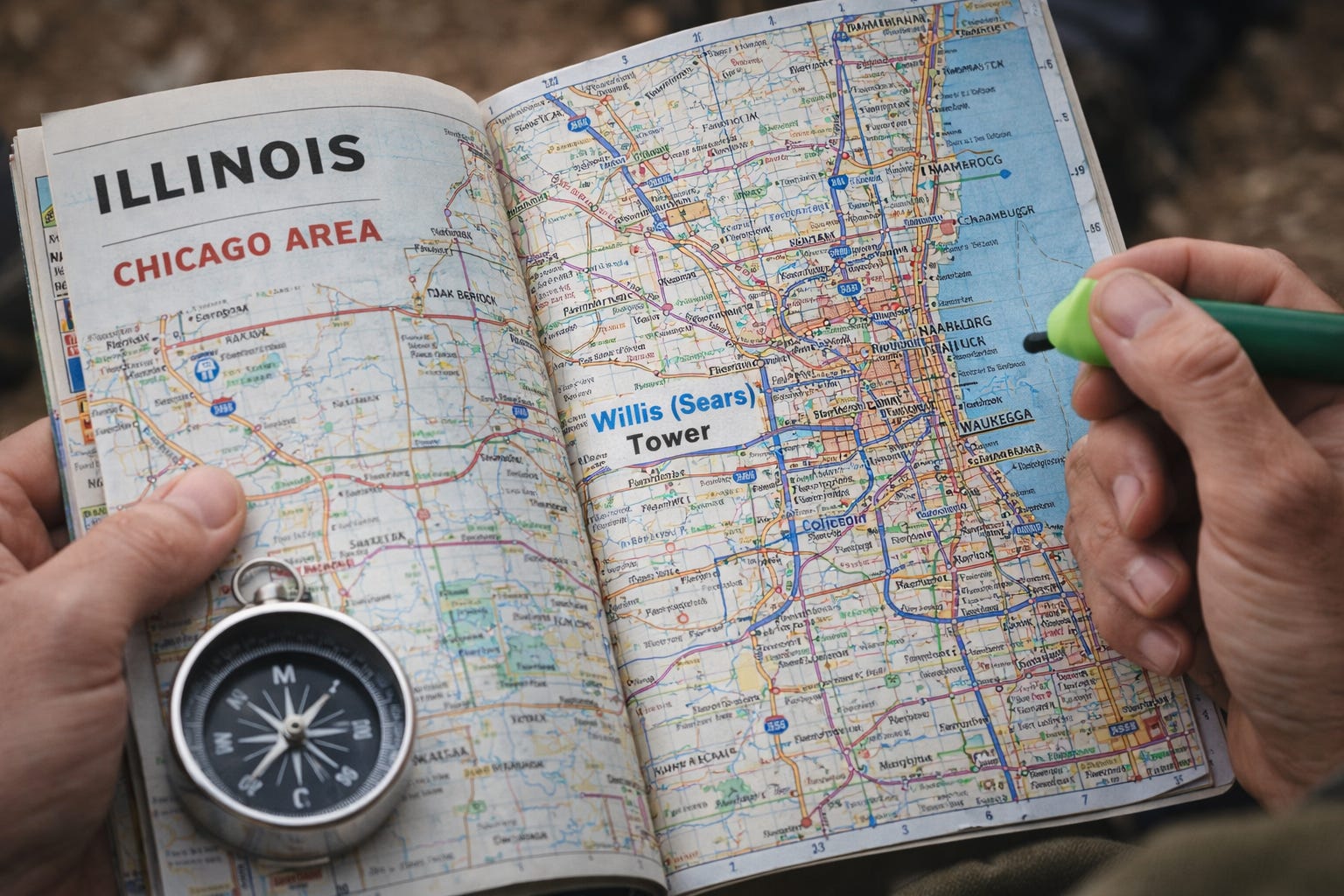
1st Step: “If Mike Scott and my son show us that the first step in treasure hunting is to formulate a map, the likely second step is one of readying ourselves as much as possible to put our planning into action.” JCB

” I believe Tuyet Nguyet might suggest not to wing it. She'd probably advise to not rush through these pages. She might encourage you to get to know these stories, to consider their content and to not dismiss any details. She might even say this is a good strategy… and the easier it becomes to chart a course to where we need to go.” “I have always preferred a 36,000-foot view.” JCB
✈️ What a flight path would imply
If it truly meant aviation mechanics, you’d expect:
Bearings (e.g., 270°)
Waypoints
Airport codes (ATL, ORD, LAX, etc.)
Lat/long pairs connected by a curved route
Mile distances between cities
If your puzzle already contains multiple coordinate pairs or named cities, then yes — drawing a straight or great-circle line between them could matter.
🗺️ More likely meaning: Big-picture mapping
Zoom out.
Plot everything on a regional map.
Look for large-scale pattern alignment.

”When reading this book, noticing details will help you find our treasure. Simply remembering a name or a birthday.” JCB- We have plenty of birthdates to work with!

“There is a lot to be admired about taking the road less traveled. Following one’s own path is not always easy. There are opportunities that come with independence. There is a joy that reverberates in the scamper of our steps when we are heading our own way. In the future if something about this treasure hunt sparks in your belly that same fire I felt then, I will smile big and wide, for this is such a wonderful feeling indeed.” JCB
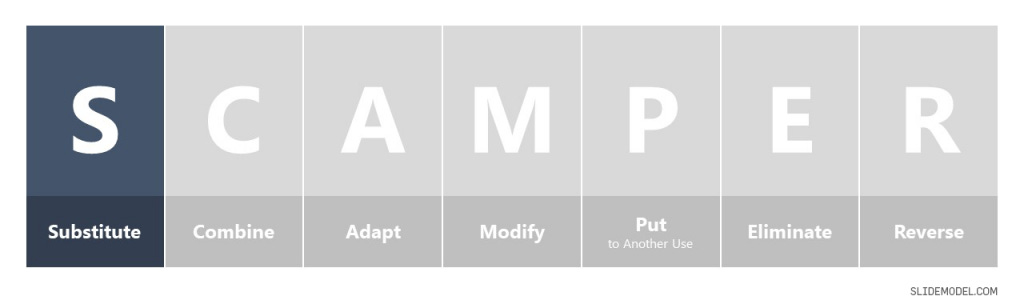
SCAMPER consists of seven steps. These steps can be used to aid learning, brainstorming, and finding solutions by what can be called a change of perspective to aid unconventional thinking. The seven steps of scamper can be a guide for people looking to use the technique for thinking outside the box for discovering new ways of doing things. Be it to find more efficient processes, aid students and trainees to learn new concepts with a mature outlook or explore ideas.

“The idea for this treasure hunt came in a moment of inspiration, but I had to use my faith to see it through. Like faith, inspiration requires you and me to be open and available to it. When we are, it’s an advocate eager to give a helping hand. Its guidance can be so clear and direct that sometimes a dash of inspiration is all a treasure hunter really needs.’ JCB
This passage strongly suggests that once a treasure hunter becomes properly oriented—mentally or directionally—the guidance needed becomes clear and direct, like a compass pointing north. The “advocate eager to give a helping hand” likely refers to something that literally points or guides, such as a compass, a map properly aligned, or even the North Star, offering unmistakable direction once you’re facing the right way.
In navigation, a “hand” often means:
The hand of a compass
The hand on a clock
The hands in the illustrations
The pointer
A helping hand = something that points. The phrase “a dash of inspiration” hints that only a small realization or shift in perspective is required to see what’s already guiding you. In treasure-hunt terms, it implies that when you align yourself correctly, the path forward stops being complicated and the next direction becomes obvious.
A “dash” can be:
A short line (—) like Chapter 2.
The dashes in each Chapter heading
A Morse code dash
A bearing adjustment
If you’re in coordinate territory, a dash could imply:
A minus sign
A separation between lat/long
Morse code (dot–dash patterns)
